


Hydrangea Annabelle
€30.00
Frequently Bought Together

Description
Quick Facts
– Botanical Name: Hydrangea arborescens ‘Annabelle’
– Common Name: Smooth Hydrangea ‘Annabelle’
– Plant Type: Hardy deciduous shrub
– Mature Height: 1–1.5m
– Mature Spread: 1.5–2.5m
– Flowering Period: June to September
– Flower Colour: Pure white, fading to soft parchment and pale green as the season progresses
– Foliage Colour: Mid-green, deciduous
– Hardiness: Fully hardy across Ireland & the UK
– Soil Requirements: Moist, well-drained; tolerates most soil types
– Aspect: Full sun to partial shade
– Awards: RHS Award of Garden Merit (AGM)
– Maintenance: Low
Description
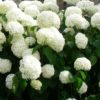
Hydrangea ‘Annabelle’ is one of the most reliable and generous flowering shrubs you can put in a garden — and one that earns genuine devotion from almost everyone who grows it. From June onwards, it produces enormous, domed flower heads of pure white — sometimes reaching up to 30cm across — that bring a bold, unhurried calm to the summer border. As the weeks pass, those heads begin to fade: first to a soft parchment, then to a warm, papery green, giving the plant a quieter second act that carries it beautifully into autumn.
Unlike the macrophylla hydrangeas, ‘Annabelle’ flowers on new wood, which means it can be cut back hard every spring and will come back better for it — bigger growth, larger flower heads, and a tidier, more compact habit. Soil pH has no effect on flower colour, so there is no ericaceous compost required and no risk of the white shifting to something unexpected. It simply flowers, reliably and generously, every single summer.
Caragh Garden Notebook
Planting:
Plant in spring or autumn into moist, well-drained soil with plenty of organic matter incorporated. ‘Annabelle’ is tolerant of most soil types including heavier clay, provided drainage is reasonable — waterlogged conditions are the one thing to avoid. Choose a position in partial shade for the most comfortable establishment, though it will perform well in full sun with adequate moisture. Water in thoroughly and mulch around the base to retain moisture through the first season.
Watering:
Water generously and consistently through the first growing season. Once established, ‘Annabelle’ is reasonably resilient but performs best with reliable moisture through summer — particularly during dry spells when it is in full flower. Wilting in warm afternoon sun is common and usually corrects itself overnight; persistent wilting during cooler parts of the day is a genuine signal to water. In containers, check moisture levels frequently and water thoroughly rather than little and often.
Feeding:
A spring mulch of well-rotted compost or leafmould around the base feeds gently and helps retain moisture through the growing season. In poorer soils, a balanced slow-release fertiliser applied as growth begins in spring will encourage strong stems and large flower heads. Avoid high-nitrogen feeds, which can produce lush leafy growth at the expense of flowering.
Pruning:
This is where ‘Annabelle’ diverges from most hydrangeas — and where it rewards you most directly. Because it flowers entirely on new wood produced in the current season, you can cut it back hard every year in late February or early March without sacrificing any flowers. Cut stems back to approximately 20–30cm from the ground, just above a pair of healthy buds. The plant will regenerate vigorously and produce some of its best, largest flower heads from this annual reset. Leaving it unpruned produces more stems but smaller, less impressive flower heads over time. A light feed and mulch after pruning completes the spring routine.
Seasonal Care:
Spent flower heads can be left on through winter — they dry naturally to a warm biscuit-brown and are genuinely attractive through the colder months, while offering some protection to the base of the stems below. Remove them when you cut back in late winter. No further intervention is needed through the growing season beyond watering during dry spells.
Pests & Problems:
Generally trouble-free and one of the most unfussy hydrangeas to grow. Vine weevil can occasionally be an issue in containers — treat preventatively with a biological control if you’ve experienced problems before. In very exposed positions, stems heavy with large flower heads can bow after rain; a single circular support placed early in the season will keep everything upright without being visible by flowering time.
Design Notes:
The pure white of ‘Annabelle’ is one of those colours that works with almost everything — it sits as comfortably beside deep purples and rich pinks as it does among other whites and silvers. Particularly effective planted in groups of three or five for a generous, repeated sweep of white through a summer border; equally beautiful as a single specimen where the scale of the flower heads can be properly appreciated. It combines naturally with late-season perennials — purple salvias, agastaches, and tall verbenas all complement it well — and the fading parchment tones of autumn sit beautifully alongside ornamental grasses. For cutting and drying, harvest stems as the flowers begin their fade to parchment and hang upside down in a cool, airy space; they will hold for months indoors and look beautiful doing it.
Additional information
| Pot Size | 7.5L 40-80cm, 10L, 2L, 5L, 7.5L |
|---|
Related products
-
Maackia amurensis Multistem Specimen
€625.00 Select options This product has multiple variants. The options may be chosen on the product page -
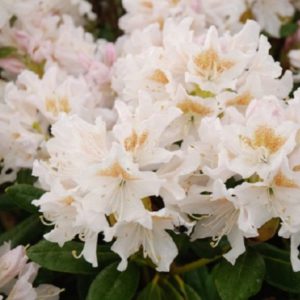
Rhododendron ‘Cunningham’s White’ Specimen
€2,500.00 Select options This product has multiple variants. The options may be chosen on the product page -
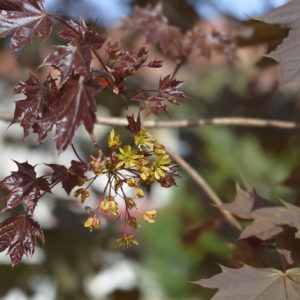
Acer Crimson King / Red Norway Maple
Price range: €350.00 through €950.00 Select options This product has multiple variants. The options may be chosen on the product page -
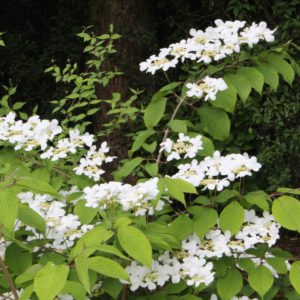
Viburnum plicatum Mariesii
€15.00 Select options This product has multiple variants. The options may be chosen on the product page