


Gleditsia triacanthos
Price range: €220.00 through €400.00
Frequently Bought Together
Description
Quick Facts
- Botanical Name: Gleditsia triacanthos
- Common Name: Honey Locust
- Plant Type: Deciduous tree
- Mature Size: Typically 10–20m (can be broader with age)
- Growth Rate: Moderate
- Position: Full sun (best colour and lightness), tolerates light shade
- Soil: Most well-drained soils; tolerant once established
- Hardiness: Very hardy in Ireland & the UK
- Wildlife Value: Light canopy allows planting beneath; good garden ecosystem tree
- Best For: Creating dappled shade, softening hard landscaping, contemporary gardens, lawns, avenue planting
Description
If you’re looking for a tree that brings shade without heaviness, Gleditsia triacanthos is a gorgeous choice. It has a naturally open, airy canopy with delicate, fern-like foliage that filters sunlight into a gentle, shifting pattern — the kind of dappled light that makes a seating area feel calm and considered, rather than darkened.
In summer it’s all softness and movement, and in autumn it turns a warm, buttery yellow before dropping cleanly for winter. Even then, the branching structure keeps its elegance — a tree with presence, but never bulk.
It’s particularly brilliant in modern gardens where you want height and structure while still keeping the space feeling bright. Think: underplanted with grasses, shade-tolerant perennials, or a simple ring of bulbs for spring.
Caragh Garden Notebook
- Planting: Plant as you would any specimen tree — a generous hole, good soil contact, and stake securely if exposed. Water well through the first growing season.
- Watering: Regular watering while establishing; once settled it copes well, but will always look its best with consistent moisture in dry spells.
- Feeding: A spring mulch (well-rotted compost or manure) is usually plenty.
- Pruning: Minimal. Remove any damaged or crossing branches in late winter. Aim to keep its natural, airy shape.
- Design Notes: One of the best trees for light shade. Perfect near patios, over lawns, or to soften the edge of a driveway/entrance without blocking light. Looks stunning paired with ornamental grasses, alliums, salvias, and underplanting that enjoys bright, filtered sun.
Related products
-
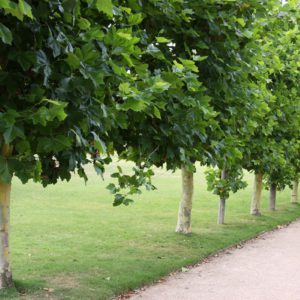
Platanus acerifolia / London Plane Tree
Price range: €320.00 through €700.00 Select options This product has multiple variants. The options may be chosen on the product page -
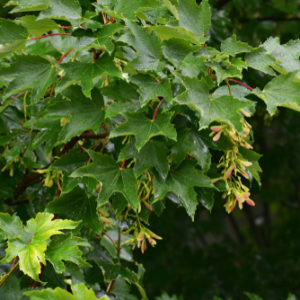
Acer platanoides
Price range: €400.00 through €500.00 Select options This product has multiple variants. The options may be chosen on the product page -
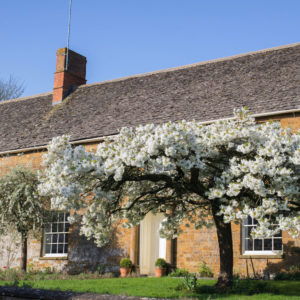
Prunus Tai-Haku
Price range: €180.00 through €750.00 Select options This product has multiple variants. The options may be chosen on the product page -

Sorbus Joseph Rock
Price range: €180.00 through €380.00 Select options This product has multiple variants. The options may be chosen on the product page