


Camellia japonica ‘Rosedale’s Beauty’
€55.00
Frequently Bought Together


Description
Quick Facts
- Botanical Name: Camellia japonica ‘Rosedale’s Beauty’
- Common Name: Camellia
- Plant Type: Evergreen shrub
- Habit: Upright, bushy, glossy-leaved
- Height (approx.): 1.5–3m (slow to moderate)
- Spread (approx.): 1.2–2.5m
- Flowering: Late winter into spring (timing varies by season and site)
- Flower Colour: Deep pink to rosy pink, fully double blooms
- Fragrance: Light to none (typical for many camellias)
- Position: Part shade / dappled shade; sheltered from cold winds and early morning sun
- Soil: Moisture-retentive but free-draining, acid to neutral
- Hardiness: Hardy in most Irish/UK gardens with shelter; protect buds from harsh frost
- Best For: Woodland borders, shady courtyards, evergreen structure, winter/spring flower, pots with ericaceous compost
Description
Camellia ‘Rosedale’s Beauty’ is pure late-winter luxury — the kind of shrub that makes you feel like spring is on its way, even when the garden is still quiet.
Its blooms are richly coloured in rosy, deep pink tones, opening into full, double flowers that sit beautifully against glossy evergreen leaves. It’s a classic camellia look: elegant, romantic, and wonderfully uplifting at the time of year when colour matters most.
Planted in a sheltered border or grown in a generous pot, it brings structure all year — then rewards you with weeks of bloom when you need it most.
Caragh Garden Notebook
Where to plant it
Camellias love bright shade — dappled light under trees, or a north/east-facing wall with good light. Shelter is important: cold winds can scorch leaves and damage buds.
Camellias love bright shade — dappled light under trees, or a north/east-facing wall with good light. Shelter is important: cold winds can scorch leaves and damage buds.
Try to avoid spots that get early morning sun in winter. If frost hits overnight, sudden morning sun can cause petals and buds to brown.
Soil (acid-loving roots)
Camellias are happiest in acid to neutral soil.
Camellias are happiest in acid to neutral soil.
- If your soil is alkaline, grow in a pot using ericaceous compost, or improve the planting area with ericaceous soil conditioner.
- Aim for soil that holds moisture but drains freely — camellias dislike both drought and waterlogging.
Watering
Keep evenly moist, especially in the first couple of years and during dry spells. In pots, don’t let it dry out completely — camellias can drop buds if they’re stressed.
Keep evenly moist, especially in the first couple of years and during dry spells. In pots, don’t let it dry out completely — camellias can drop buds if they’re stressed.
Feeding
Feed in spring with an ericaceous fertiliser (or a camellia/rhododendron feed). A mulch of leaf mould or composted bark helps keep roots cool and soil gently acidic.
Feed in spring with an ericaceous fertiliser (or a camellia/rhododendron feed). A mulch of leaf mould or composted bark helps keep roots cool and soil gently acidic.
Pruning
Camellias rarely need much pruning. Lightly shape after flowering if needed, and remove any dead or crossing stems to keep the centre open.
Camellias rarely need much pruning. Lightly shape after flowering if needed, and remove any dead or crossing stems to keep the centre open.
Mulching
A yearly mulch is one of the best things you can do — it protects shallow roots, holds moisture, and improves soil structure over time.
A yearly mulch is one of the best things you can do — it protects shallow roots, holds moisture, and improves soil structure over time.
Design notes
- Gorgeous with ferns, hellebores, skimmia, sarcococca, hydrangeas, and spring bulbs
- Perfect as an evergreen anchor in a woodland border
- Beautiful in a pot near an entrance for winter-to-spring colour
Related products
-

Viburnum × bodnantense Dawn
Price range: €15.00 through €180.00 Select options This product has multiple variants. The options may be chosen on the product page -

Camellia sasanqua Kanjiro
Price range: €230.00 through €625.00 Select options This product has multiple variants. The options may be chosen on the product page -
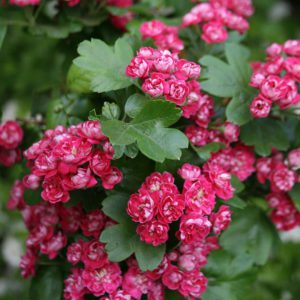
Crataegus Pauls Scarlet / Red Hawthorn
Price range: €45.00 through €240.00 Select options This product has multiple variants. The options may be chosen on the product page -
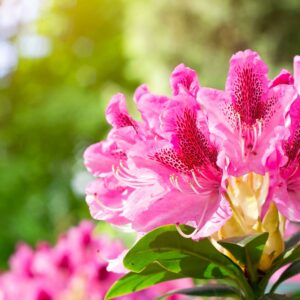
Rhododendron Cosmopolitan
€120.00 Select options This product has multiple variants. The options may be chosen on the product page