

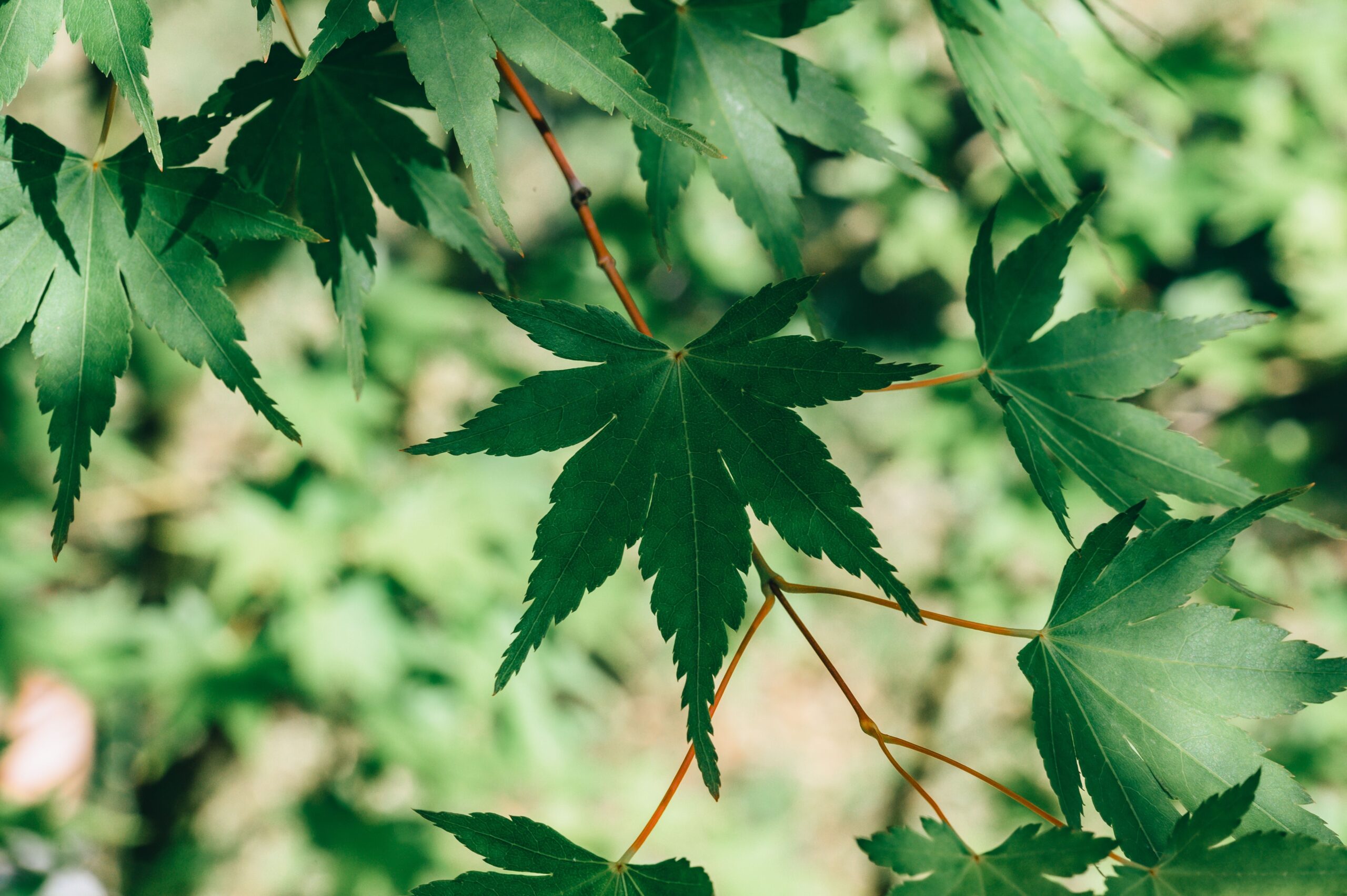
Acer palmatum ‘Going Green’
€300.00
Description
Quick Facts
– Botanical Name: Acer palmatum ‘Going Green’
– Common Name: Japanese Maple ‘Going Green’
– Plant Type: Deciduous small tree / large shrub
– Mature Height: Approx. 2-4m in time (slow growing, far less in the first 10 years)
– Mature Spread: Approx. 2-3m
– Flowering Period: April to May (small, inconspicuous flowers)
– Autumn Colour: Warm autumn tones before leaf fall
– Habit: Graceful, rounded and spreading, with elegant, delicately cut leaves
– Hardiness: Fully hardy, but young growth can be damaged by late frosts and cold winds
– Soil Requirements: Moist, well-drained, humus-rich; neutral to slightly acidic preferred
– Aspect: Partial shade or a sheltered spot in dappled sun
– Maintenance: Low: very little pruning needed
Description
Acer palmatum ‘Going Green’ is a lovely, elegant Japanese maple that brings grace and movement to the garden. The delicate, finely cut leaves open fresh in spring and flutter in the slightest breeze, creating a soft, airy canopy that looks beautiful from every angle.
In autumn the foliage warms to rich seasonal colour before falling, revealing a tracery of fine branches that still looks beautiful in winter. Its slow, compact growth makes it a wonderful choice for courtyards, small gardens and large containers, where it can be enjoyed up close.
Graceful, refined and wonderfully calm, ‘Going Green’ is a maple that earns its place.
Caragh Garden Notebook
Planting:
Plant in autumn or spring in moist, well-drained, humus-rich soil, adding plenty of leaf mould or well-rotted compost to the planting hole. Choose a sheltered spot in dappled sun or partial shade, protected from cold, drying winds and hot afternoon sun, which can scorch the leaves. Plant at the same depth as the pot, firm in gently, water in thoroughly and mulch.
Watering:
Water regularly through the first two or three growing seasons, especially in dry spells. Japanese maples dislike drying out, but also dislike waterlogging. In containers, check the compost often and never allow it to dry out. Use rainwater where possible in hard-water areas.
Feeding:
Apply a slow-release balanced fertiliser in spring and mulch with leaf mould or well-rotted compost. Avoid heavy nitrogen feeds, which can cause soft growth that is more vulnerable to scorch and frost.
Seasonal Care & Tidy-Up:
Very little pruning is needed. Remove dead, damaged or crossing branches in midsummer or early autumn, avoiding late winter and spring, when the sap is rising. In containers, repot every two to three years into a slightly larger pot with fresh loam-based compost. Protect young growth with fleece during late frosts.
Pests & Problems:
Generally healthy. Leaf scorch from wind, sun or drought is the most common problem. Aphids can appear on the new growth, and verticillium wilt can occasionally affect Japanese maples, causing sudden branch dieback. Remove any affected branches promptly.
Design Notes:
‘Going Green’ is a lovely specimen for a courtyard, Japanese-style garden or woodland-style border. Plant it where the low light of morning or evening can shine through the leaves, near a seating area or beside water. It looks wonderful with ferns, hostas, Hakonechloa and spring bulbs beneath, and it makes a beautiful feature in a large container on a sheltered terrace.
Propagation:
Named Japanese maples are grafted by specialist nurseries. For reliable form and foliage, always source nursery-grown plants.
Additional information
| Pot Size |
|---|
Related products
-
Magnolia Honey Tulip
€65.00 Select options This product has multiple variants. The options may be chosen on the product page -

Malus sylvestris / Crab Apple Tree
€320.00 Select options This product has multiple variants. The options may be chosen on the product page -
Aesculus Pavia
€150.00 Select options This product has multiple variants. The options may be chosen on the product page -

Pieris jap. Little Heath
€25.00 Select options This product has multiple variants. The options may be chosen on the product page