

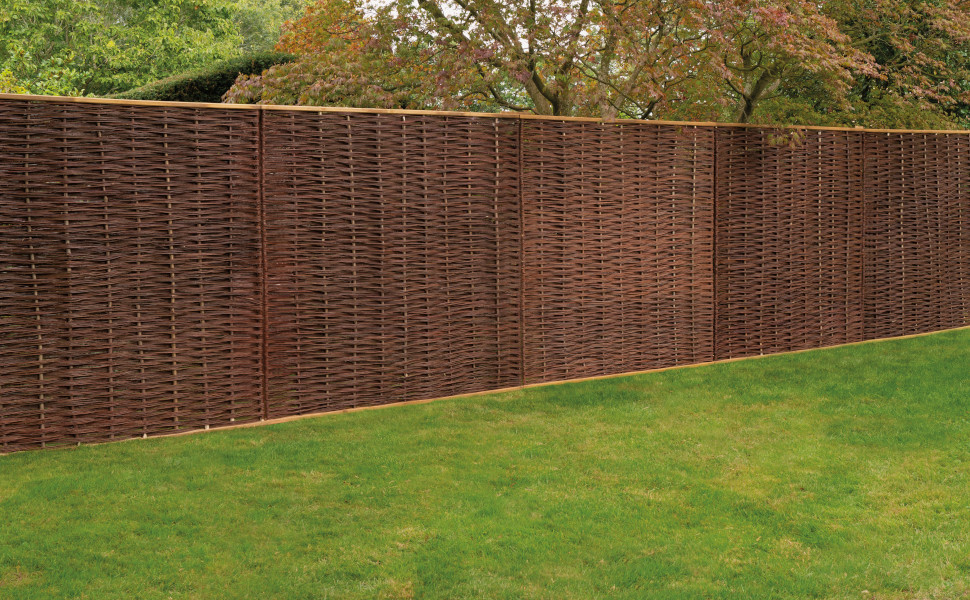
Framed Willow Hurdles
€140.00
Description
Screening with character, texture, and a softer, more natural feel — hand-woven willow in a timber frame that brings the cottage garden aesthetic home. For gardens across Ireland.
Why Choose Framed Willow Hurdles?
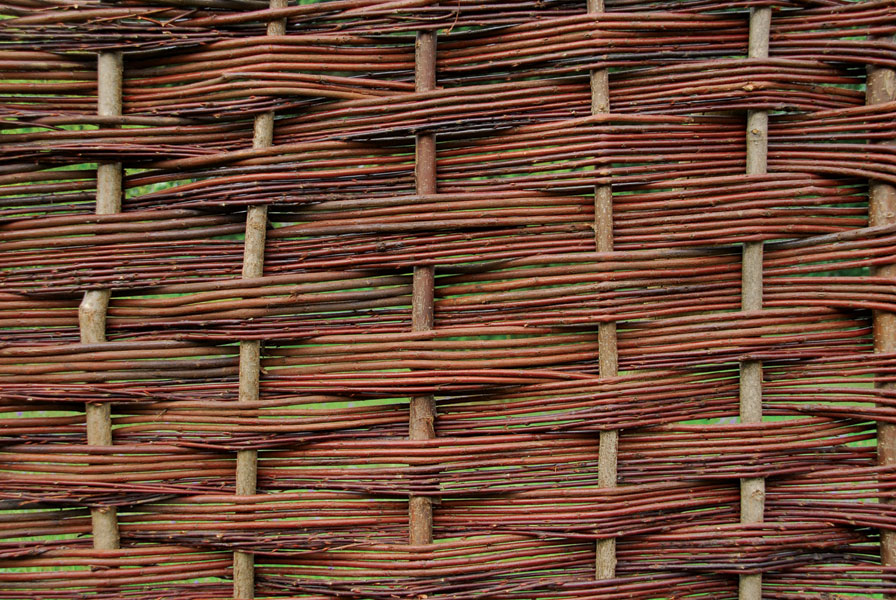
If your garden wants a boundary that feels like it belongs in the landscape rather than imposed on it, this is the panel for you. The hand-woven willow creates a beautiful, organic surface that filters light, moves gently in the breeze, and brings a rural, cottage-garden character that machined timber simply cannot replicate. The traditional horizontal weave is tight enough for good privacy and wind filtration, yet open enough to let air move through.
Key benefits
– Hand-woven natural willow — organic texture, movement, and character
– Filters light and sways gently in the breeze — a living feel no flat panel can match
– Weave provides privacy with airflow — softer, more natural screening
– Woven structure flexes in the wind — reduces wind load significantly
– Timber frame gives structure, stability, and longevity — fixes to posts like a standard panel
– Full-height 180cm × 180cm — proper screening and privacy
What Makes Willow Hurdles Different from Standard Fencing?
The willow itself. The natural colour soft golden-brown when new, weathering to silvery-grey over time sits beautifully in traditional, cottage, and naturalistic gardens, and the texture and movement of the woven willow add depth and interest that flat timber panels can’t match.
The woven construction is also genuinely practical in the wind. The structure flexes slightly, absorbing gusts rather than resisting them, and the natural gaps reduce wind load — which is why hurdles are particularly good in exposed or windy positions where a solid panel would catch the wind and blow over. And because these are framed rather than loose hurdles, the willow stays tight, square, and secure — no sagging, warping, or coming apart over time.
Specification
– Product name: Framed Willow Hurdle
– Material: natural woven willow with a planed timber frame
– Panel type: traditional woven screening and fencing
– Dimensions: 180cm wide × 180cm high
– Weave pattern: traditional horizontal weave
– Construction: woven willow set within a planed timber frame — keeps the panel tight and square
– Durability: natural material expect 8–12 years depending on exposure and maintenance
– Fixings: not included posts and concrete/post spikes required
Willow Hurdles for Irish Gardens
We supply framed willow hurdles nationwide across Ireland — from Dublin and the Greater Dublin Area, to Kildare, Wicklow, Meath, and across the island of Ireland — and our team can confirm availability and delivery to your county or postcode.
Natural screening with real character — ideal for cottages, country gardens and more naturalistic planting schemes throughout Ireland, whether you’re enclosing a boundary, screening a seating area, or adding texture to a garden room.
Which Fence Panel Is Right for My Garden?
– Cottage, country, and naturalistic gardens: willow hurdles bring a warm, organic character that timber can’t match.
– Exposed or windy sites: the flexible woven structure absorbs the wind and reduces load where solid panels would struggle.
– Screening with softness: privacy and wind filtration with light and airflow — a softer boundary than solid fencing.
– Defining garden areas without weight: lightweight hurdles can divide spaces without the visual heaviness of a full fence.
Caragh’s Garden Notebook
This is fencing for gardens that want a softer, more organic boundary something with a sense of craftsmanship and tradition. The timber frame is pressure treated, but the willow itself is natural and best left untreated — do not paint or heavily stain it, as it will look unnatural and the finish can damage the fibres. Set the posts in concrete footings for a stable build — 100mm × 100mm minimum, 2.4m long, allowing 60–75cm below ground — and keep the hurdles 5–10cm clear of ground level using gravel boards, which is particularly important since natural willow is more vulnerable to rot than treated timber. Handle the panels gently; the weave is more delicate than solid timber. Any occasional broken strands can be tucked back into the weave or trimmed. Expect the golden-brown to soften to silvery-grey over the first year or two — that’s part of the charm, not a sign of deterioration. With good drainage and gentle care, expect 8–12 years of service — and when the hurdles do reach the end of their life, the willow can be composted and the timber frame reused or recycled.
Related products
-
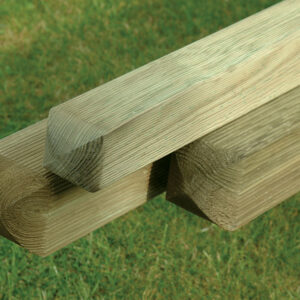
Planed & Ribbed Pine Posts
Price range: €21.00 through €34.50 Select options This product has multiple variants. The options may be chosen on the product page -
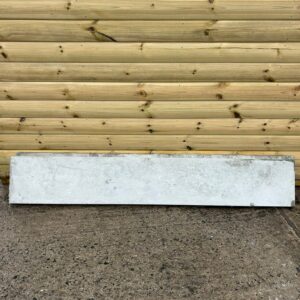
Concrete Gravel Boards (1800mm × 300mm)
€24.00 Add to cart -
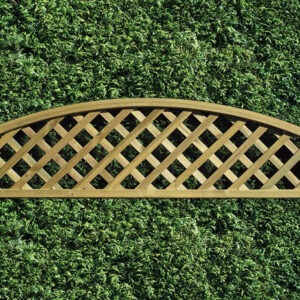
Heavy Diamond Lattice Trellis Panels
Price range: €30.00 through €110.00 Select options This product has multiple variants. The options may be chosen on the product page -
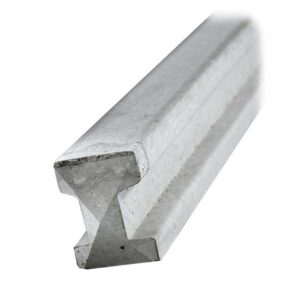
Concrete H Posts for fence panels
Price range: €31.50 through €35.00 Select options This product has multiple variants. The options may be chosen on the product page